Car accidents can be stressful and confusing, especially when injuries, vehicle damage, and insurance claims are involved. Knowing what to do immediately after an accident can protect your safety, strengthen your legal case, and help you receive proper compensation. Following the right steps ensures that important evidence is preserved and that your rights are protected under the law.
Ensure Safety First
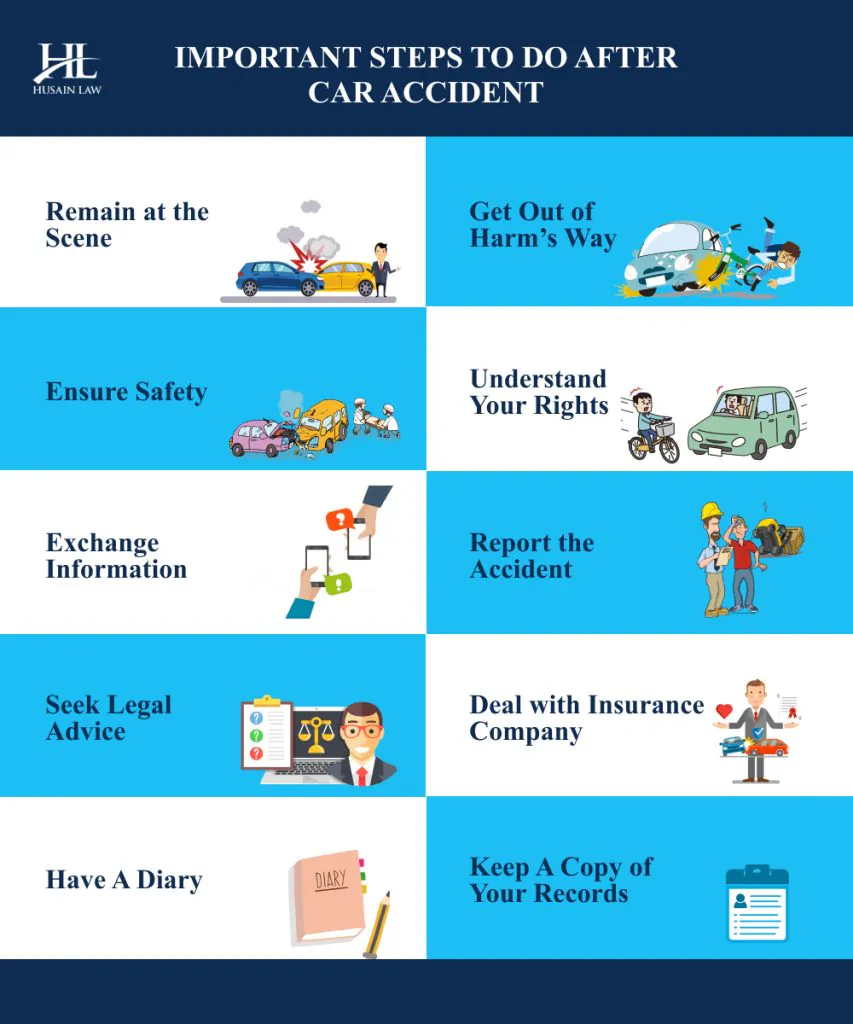
The first priority after a car accident is safety. Check yourself and others for injuries. If anyone is seriously injured, call emergency services immediately. If the accident is minor and vehicles are still operational, move them to a safe location away from traffic if possible.
Turning on hazard lights can help alert other drivers and prevent further accidents.
Call the Police
Even if the accident appears minor, contacting law enforcement is important. Police officers will document the accident scene and create an official accident report.
This report can be valuable evidence when filing insurance claims or pursuing legal action. It includes important details such as driver statements, witness information, and the officer’s observations.
Seek Medical Attention
Some injuries may not appear immediately after a car accident. Conditions such as whiplash, internal injuries, or concussions may develop hours or even days later.
Seeking medical attention ensures that injuries are properly diagnosed and treated. Medical records also serve as critical evidence if a legal claim is filed.
Collect Evidence at the Scene
Gathering evidence at the accident scene is essential for supporting your claim. Take photos of vehicle damage, road conditions, traffic signs, and visible injuries.
Exchange contact and insurance information with all drivers involved in the accident. If there are witnesses nearby, collect their names and contact details as well.
This information can help reconstruct the accident and establish liability.
Notify Your Insurance Company
After leaving the accident scene, contact your insurance company to report the incident. Provide accurate details about what happened but avoid admitting fault until the investigation is complete.
Insurance companies will review the accident report, vehicle damage, and other evidence to determine how the claim should be handled.
Avoid Discussing Fault
Immediately after an accident, emotions can run high. It is important to avoid admitting fault or making statements that could be used against you later.
Even a simple apology could be interpreted as an admission of responsibility. Allow insurance companies and investigators to determine liability based on evidence.
Consult a Car Accident Lawyer
If the accident involves serious injuries, disputed liability, or significant property damage, consulting a car accident lawyer can be beneficial. Lawyers understand personal injury laws and can guide victims through the legal process.
An experienced attorney can negotiate with insurance companies and ensure that victims receive fair compensation for medical expenses, lost wages, and other damages.
Document Your Expenses
Keeping records of all accident-related expenses is important for potential legal claims. This includes medical bills, repair costs, transportation expenses, and lost income from missed work.
Detailed documentation helps lawyers and insurance companies calculate the full value of the claim.
Understand Your Legal Rights
Car accident victims may be entitled to compensation if another driver’s negligence caused the accident. Compensation may cover medical costs, vehicle repairs, rehabilitation expenses, lost income, and emotional suffering.
Understanding your legal rights ensures that you do not accept an unfair settlement or waive your ability to pursue compensation.
FAQs
Should I call a lawyer after a car accident?
If the accident involves injuries, disputed fault, or significant damages, consulting a lawyer can help protect your legal rights.
What information should I collect at the accident scene?
You should gather driver contact information, insurance details, vehicle registration numbers, photos of the accident scene, and witness information.
How long do I have to file a car accident claim?
The time limit for filing a claim varies by state, but many personal injury cases must be filed within two to three years after the accident.
Knowing what to do after a car accident can protect your health, finances, and legal rights. By taking the proper steps and seeking professional guidance when necessary, accident victims can navigate the situation more effectively and pursue fair compensation for their losses.