Cyber attacks are one of the biggest threats facing businesses today. Hackers constantly target companies to steal sensitive data, disrupt operations, or demand ransom payments. Small businesses are especially vulnerable because they often lack strong security systems. Protecting your business from cyber attacks requires a combination of security tools, employee awareness, and strong digital policies.
Understand Common Cyber Threats
To protect your business, it is important to understand the most common cyber threats. Phishing attacks occur when hackers send fraudulent emails designed to trick employees into revealing passwords or financial information.
Malware and ransomware are harmful programs that can damage systems or lock files until a payment is made. Data breaches occur when unauthorized individuals gain access to confidential company data.
Understanding these threats helps businesses implement stronger security strategies.
Use Strong Password Policies
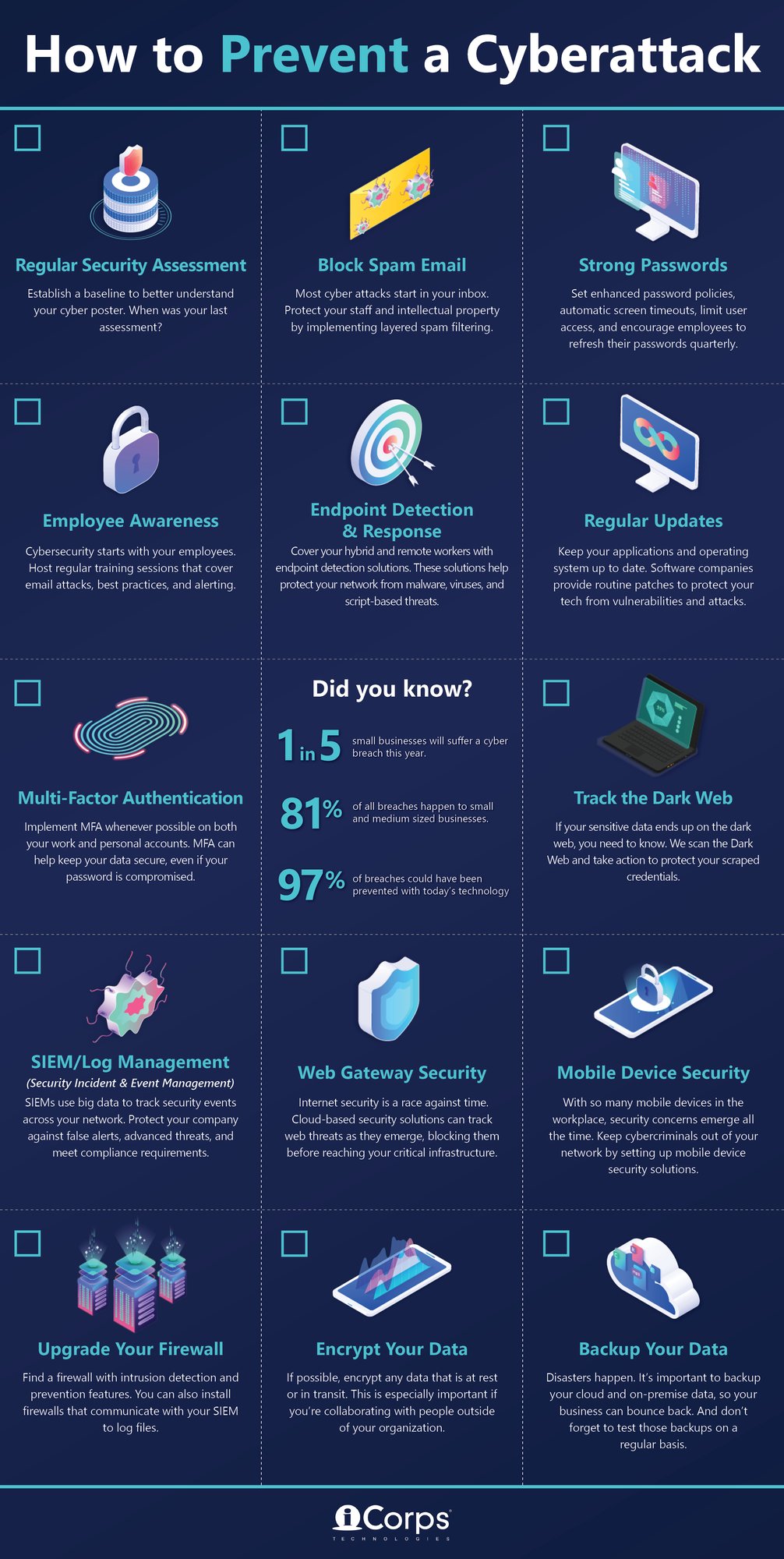
Weak passwords are one of the most common causes of security breaches. Businesses should require employees to create strong passwords that include letters, numbers, and symbols.
Passwords should be changed regularly and should not be shared with others. Using password management tools can also help employees store complex passwords securely.
Enable Multi-Factor Authentication
Multi-factor authentication adds an extra layer of security to business accounts. In addition to a password, users must verify their identity through another method such as a code sent to their phone or authentication app.
This additional step makes it significantly harder for hackers to access business accounts.
Install Reliable Security Software
Cybersecurity software protects business systems from viruses, malware, and other threats. Businesses should install reliable antivirus programs, firewalls, and endpoint protection tools.
Regular security updates ensure that systems remain protected against new vulnerabilities.
Train Employees on Cybersecurity
Human error is a major cause of many cyber attacks. Employees should be trained to recognize suspicious emails, avoid unsafe downloads, and follow company security policies.
Regular cybersecurity training programs help create awareness and reduce the risk of security breaches.
Secure Your Network
Businesses should protect their networks with strong firewalls and encrypted connections. Secure Wi-Fi networks should require strong passwords and use modern encryption protocols.
Access to sensitive company systems should be limited to authorized personnel only.
Backup Important Data
Regular data backups are essential for protecting business information. In the event of a cyber attack or system failure, backups allow businesses to restore important files quickly.
Backups should be stored in secure locations such as cloud storage or external drives that are not connected to the main network.
Monitor Systems for Suspicious Activity
Continuous monitoring helps businesses detect unusual activity before it becomes a serious security issue. Many cybersecurity tools provide alerts when suspicious behavior occurs within the network.
Early detection allows companies to respond quickly and minimize potential damage.
Create a Cybersecurity Response Plan
Every business should have a plan for responding to cyber incidents. This plan should include procedures for identifying threats, isolating affected systems, and notifying relevant authorities or customers.
Having a response strategy ensures that businesses can react quickly and reduce the impact of cyber attacks.
FAQs
Why are small businesses targeted by hackers?
Small businesses often have weaker security systems, making them easier targets for cybercriminals.
What is the best way to prevent cyber attacks?
Using strong passwords, enabling multi-factor authentication, training employees, and installing reliable cybersecurity software are key steps in preventing attacks.
How often should businesses back up their data?
Businesses should back up critical data regularly, ideally daily or weekly depending on the volume of information.
Cyber attacks can cause serious financial and reputational damage to businesses. Implementing strong cybersecurity practices and maintaining awareness of digital threats can significantly reduce the risk and help protect valuable business data.