Running a small business involves many risks, including property damage, legal claims, employee injuries, and unexpected financial losses. Business insurance provides protection against these risks and helps companies recover from costly incidents. Without proper coverage, a single lawsuit or accident could severely impact a company’s financial stability.
Choosing the right business insurance policy ensures that small companies remain protected while focusing on growth and operations.
What Is Business Insurance
Business insurance is a type of financial protection designed to cover risks associated with operating a company. Policies can protect businesses from property damage, liability claims, employee-related risks, and operational interruptions.
Business owners pay regular premiums to insurance providers in exchange for financial coverage if specific events occur.
The types of insurance needed depend on the industry, company size, and operational risks.
Why Small Businesses Need Insurance
Small businesses often operate with limited financial reserves. Unexpected legal claims, natural disasters, or workplace accidents can lead to significant financial losses.
Business insurance helps companies cover legal costs, repair damaged property, and compensate affected parties.
Many clients and partners also require proof of insurance before entering into contracts with a business.
Having proper insurance coverage improves credibility and helps businesses operate more confidently.
Types of Business Insurance
Several types of insurance policies are commonly used by small businesses.
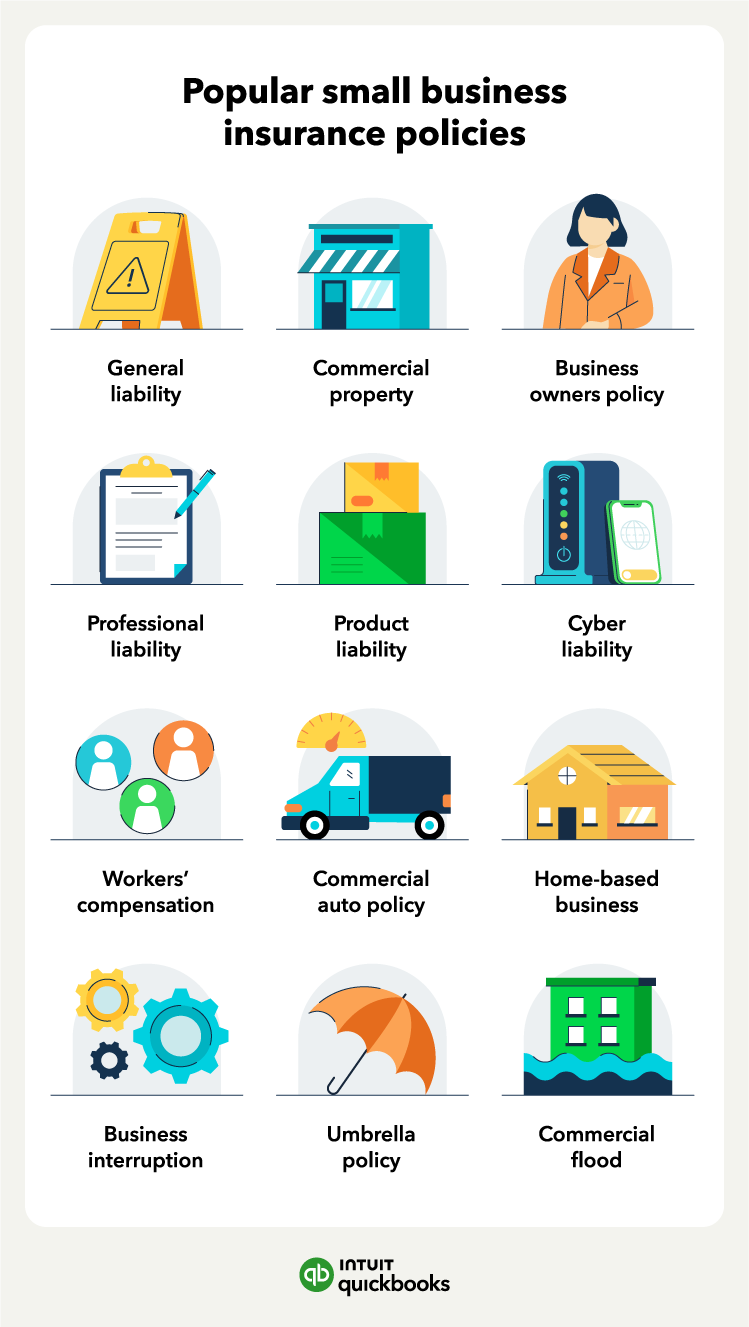
General liability insurance protects businesses against claims involving bodily injury, property damage, and advertising injuries.
Professional liability insurance protects businesses that provide professional services, covering claims related to errors, negligence, or poor advice.
Commercial property insurance covers physical assets such as buildings, equipment, and inventory against risks like fire, theft, or natural disasters.
Workers’ compensation insurance covers medical expenses and lost wages for employees injured on the job.
Business interruption insurance provides financial support if operations are temporarily halted due to unexpected events.
Hiscox Business Insurance
Hiscox specializes in insurance solutions for small businesses and independent professionals. The company offers flexible coverage options designed to protect startups and service-based businesses.
Hiscox policies often include general liability and professional liability coverage.
Key Features:
- Coverage tailored for small businesses
- Flexible policy options
- Fast online quotes
- Coverage for freelancers and startups
Next Insurance
Next Insurance focuses on digital insurance services designed for small businesses and entrepreneurs. The company provides simple online applications and quick policy approvals.
Many small business owners choose Next Insurance because of its affordable pricing and modern digital tools.
Key Features:
- Fast online policy setup
- Affordable premiums
- Coverage for many industries
- Easy policy management through mobile apps
The Hartford Business Insurance
The Hartford is one of the most established business insurance providers in the United States. The company offers a wide range of insurance policies designed for small and medium-sized businesses.
The Hartford provides coverage for property protection, liability claims, workers’ compensation, and more.
Key Features:
- Strong reputation and financial stability
- Comprehensive coverage options
- Flexible policy customization
- Dedicated customer support
Travelers Business Insurance
Travelers is another well-known insurance provider offering protection for businesses across many industries. The company provides both standard and specialized insurance policies.
Travelers offers customizable coverage designed to meet the needs of businesses with different operational risks.
Key Features:
- Wide range of insurance products
- Industry-specific coverage options
- Strong claims support
- Long-established insurance provider
Nationwide Business Insurance
Nationwide provides comprehensive insurance solutions for small businesses and large enterprises. The company offers multiple policy options that help protect businesses from common financial risks.
Nationwide policies often include liability protection, commercial property insurance, and employee-related coverage.
Key Features:
- Comprehensive business coverage
- Flexible insurance packages
- Strong financial reputation
- Nationwide support network
How to Choose the Right Business Insurance
Selecting the right insurance policy requires evaluating the specific risks associated with a business. Companies operating in high-risk industries may require more comprehensive coverage.
Business owners should review the types of coverage offered by different providers and compare pricing structures.
Reading customer reviews and evaluating claims processing reputation can also help determine the reliability of an insurance provider.
Working with licensed insurance agents or brokers can also help businesses identify appropriate coverage options.
Tips for Reducing Business Insurance Costs
Businesses can reduce insurance costs by implementing risk management strategies. Installing security systems, fire alarms, and safety equipment may qualify companies for lower premiums.
Maintaining safe workplace practices and providing employee safety training can also reduce insurance claims.
Bundling multiple insurance policies with the same provider may also result in discounted premiums.
Regularly reviewing insurance policies ensures that businesses maintain adequate coverage without paying for unnecessary protections.
Business insurance plays a crucial role in protecting companies from unexpected financial losses. Providers such as Hiscox, Next Insurance, The Hartford, Travelers, and Nationwide offer various coverage options designed to support small businesses. By understanding potential risks and selecting appropriate insurance policies, business owners can safeguard their operations and maintain long-term financial stability.