Car insurance is a necessary expense for vehicle owners, but many drivers end up paying more than necessary for their coverage. Insurance premiums are calculated based on several factors, including driving history, location, vehicle type, and coverage levels. Fortunately, there are several legal strategies that drivers can use to reduce their car insurance premiums without sacrificing essential protection.
Understanding how insurance companies determine pricing can help drivers take advantage of discounts and cost-saving opportunities.
Maintain a Clean Driving Record
One of the most effective ways to lower car insurance premiums is by maintaining a clean driving record. Insurance companies reward drivers who avoid accidents, speeding tickets, and other traffic violations.
Drivers with a history of safe driving are considered lower risk, which often results in lower insurance premiums.
Many insurance companies also offer safe driver discount programs that provide additional savings for drivers who maintain accident-free records over several years.
Compare Insurance Quotes
Car insurance rates can vary significantly between providers. Different companies use different pricing models and risk calculations.
Obtaining quotes from multiple insurance companies allows drivers to compare coverage options and identify the most affordable policies.
Online comparison tools and insurance marketplaces make it easy to review multiple insurance quotes quickly.
Switching providers may result in significant savings if a different insurer offers better pricing for similar coverage.
Increase Your Deductible
The deductible is the amount a policyholder must pay out of pocket before insurance coverage begins after an accident.
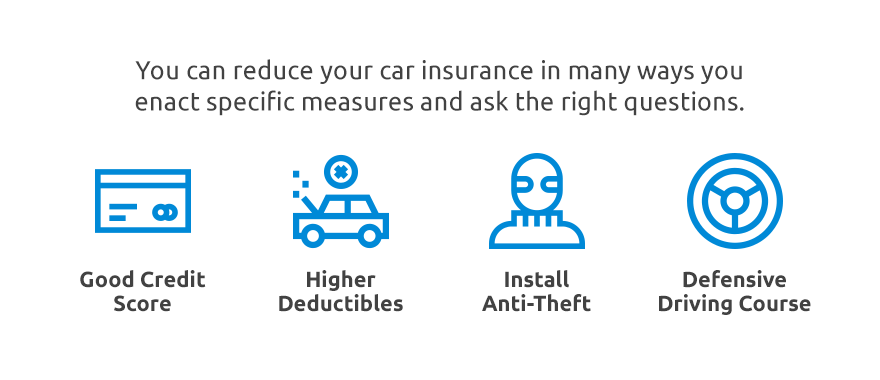
Choosing a higher deductible often reduces the monthly premium because the policyholder assumes more financial responsibility in the event of a claim.
However, drivers should ensure that they can afford the higher deductible before selecting this option.
Balancing deductible levels with affordable premiums is important when adjusting insurance policies.
Bundle Multiple Insurance Policies
Many insurance companies offer discounts to customers who bundle multiple insurance policies with the same provider.
For example, combining auto insurance with homeowners or renters insurance often results in significant premium reductions.
Bundling policies simplifies financial management because customers can manage multiple insurance products through one provider.
Insurance companies frequently offer multi-policy discounts as an incentive to retain long-term customers.
Take Advantage of Available Discounts
Insurance companies offer many discount programs that drivers may not always be aware of.
Safe driver discounts are common for individuals with accident-free driving histories. Students with strong academic performance may also qualify for good student discounts.
Vehicles equipped with advanced safety features such as anti-lock braking systems, airbags, and anti-theft devices may also qualify for lower premiums.
Some insurers also provide discounts for completing defensive driving courses.
Improve Your Credit Score
In many states, insurance companies use credit-based insurance scores when determining premiums. Drivers with higher credit scores are often considered more financially responsible and may receive lower insurance rates.
Improving credit scores by paying bills on time, reducing credit card balances, and avoiding excessive debt can help reduce insurance costs over time.
Monitoring credit reports regularly ensures that any errors are corrected promptly.
Choose the Right Vehicle
The type of vehicle being insured can significantly impact insurance premiums. Expensive vehicles, luxury cars, and high-performance models typically have higher insurance costs because they are more expensive to repair or replace.
Vehicles with strong safety ratings and lower theft rates usually qualify for lower insurance premiums.
Drivers planning to purchase a new vehicle should consider insurance costs as part of the overall ownership expenses.
Reduce Unnecessary Coverage
Drivers with older vehicles may consider adjusting coverage levels to reduce insurance costs. For example, collision and comprehensive coverage may not be necessary for vehicles with very low market value.
Reviewing coverage options with an insurance agent can help determine whether certain protections can be adjusted without increasing financial risk.
However, drivers should always maintain the minimum liability coverage required by their state laws.
Use Telematics or Usage-Based Insurance
Many insurance companies now offer usage-based insurance programs that monitor driving behavior through mobile apps or installed devices.
These programs evaluate factors such as speed, braking patterns, and driving frequency.
Safe drivers who demonstrate responsible driving habits may qualify for lower insurance premiums through these programs.
Usage-based insurance is becoming increasingly popular among drivers who want to prove their safe driving behavior.
Review Your Policy Regularly
Insurance needs can change over time due to changes in driving habits, vehicle value, or personal circumstances.
Reviewing insurance policies annually ensures that drivers are not paying for coverage they no longer need.
Life events such as moving to a different location, getting married, or improving credit scores may also lead to lower insurance premiums.
Regular policy reviews allow drivers to update coverage and take advantage of new discounts offered by insurers.
Lowering car insurance premiums legally is possible through several smart strategies. Maintaining a clean driving record, comparing insurance quotes, increasing deductibles, and taking advantage of available discounts can significantly reduce insurance costs. Drivers who regularly review their policies and make informed financial decisions can enjoy reliable insurance protection while keeping their premiums affordable.