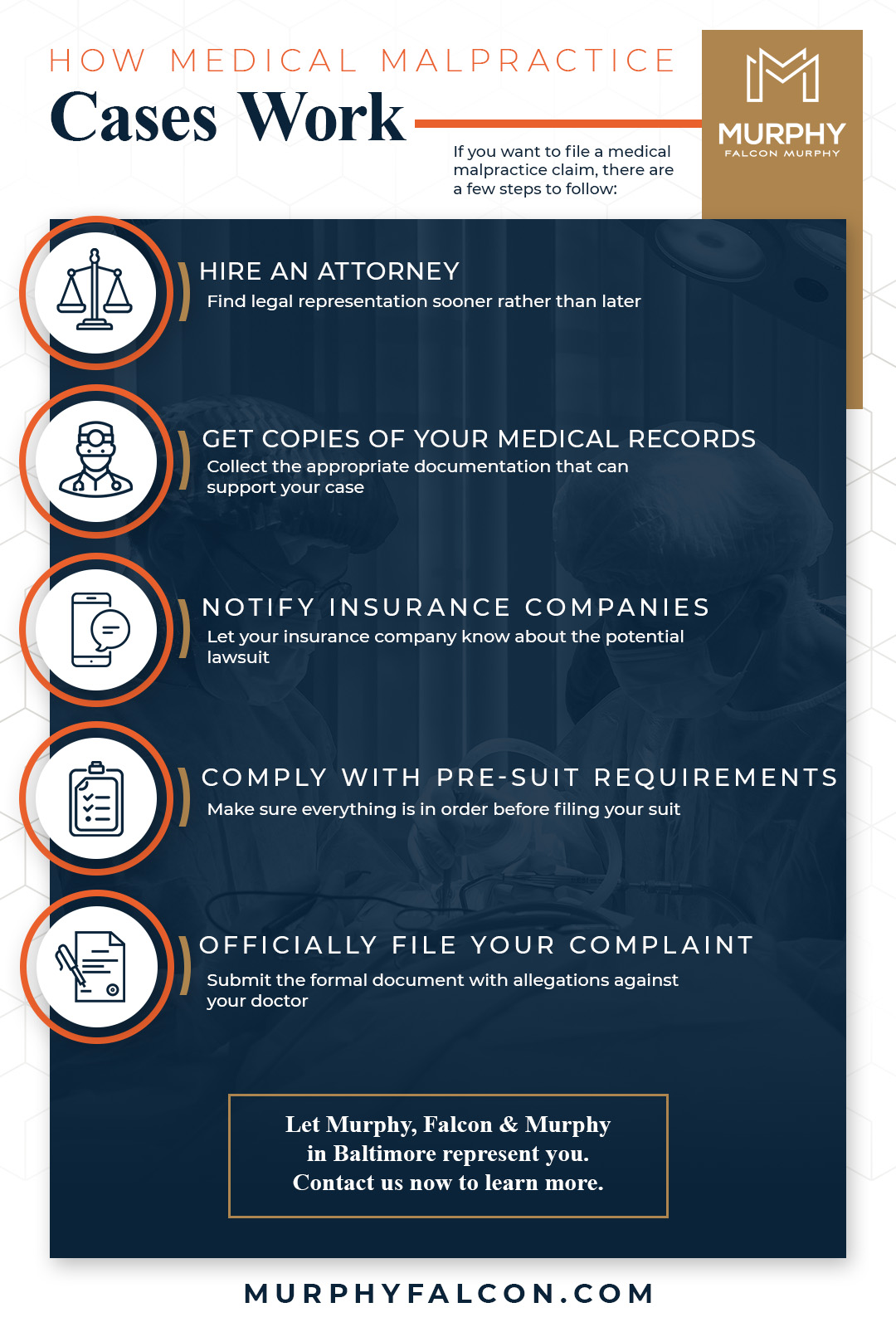
Medical malpractice occurs when a healthcare professional fails to provide proper treatment or care, resulting in injury or harm to a patient. Doctors, nurses, hospitals, and other medical professionals are expected to follow established standards of care when treating patients. When these standards are not met and a patient is harmed as a result, a medical malpractice lawsuit may be filed to seek compensation.
What Is Medical Malpractice?
Medical malpractice happens when a medical professional’s negligence leads to patient injury or worsens an existing condition. Healthcare providers are legally responsible for delivering treatment that meets accepted medical standards.
If a provider fails to follow those standards and the patient suffers harm, the injured person may have the right to file a malpractice claim.
Medical malpractice cases can involve doctors, surgeons, nurses, pharmacists, hospitals, and other healthcare providers.
Common Types of Medical Malpractice
Several situations may qualify as medical malpractice depending on the circumstances and the level of negligence involved.
Misdiagnosis or delayed diagnosis occurs when a doctor incorrectly diagnoses a condition or fails to diagnose it in time, leading to improper treatment.
Surgical errors are another common example and may include operating on the wrong body part, leaving surgical instruments inside a patient, or performing unnecessary procedures.
Medication errors can happen when a doctor prescribes the wrong medication or dosage, which may cause serious health complications.
Birth injuries can occur when medical professionals fail to properly monitor or respond to complications during pregnancy or childbirth.
Elements Required to Prove Medical Malpractice
To successfully file a medical malpractice lawsuit, certain legal elements must be proven.
First, a doctor-patient relationship must exist, which establishes that the medical professional had a duty to provide care.
Second, the healthcare provider must have breached the standard of care expected from professionals in similar circumstances.
Third, the patient must demonstrate that this negligence directly caused injury or harm.
Finally, the patient must show that damages occurred as a result of the negligence, such as medical expenses, pain, or lost income.
Compensation in Medical Malpractice Cases
Victims of medical malpractice may be entitled to several types of compensation depending on the severity of the injury.
Economic damages may include medical expenses, rehabilitation costs, and lost income resulting from the injury.
Non-economic damages may include pain and suffering, emotional distress, and reduced quality of life.
In rare cases involving extreme negligence, courts may also award punitive damages to punish the responsible party.
Time Limits for Filing a Malpractice Claim
Medical malpractice lawsuits must be filed within a specific time limit known as the statute of limitations. This time limit varies depending on the state where the incident occurred.
In many states, victims must file a malpractice claim within two to three years from the date of the injury or discovery of the injury.
Missing this deadline may prevent the victim from pursuing compensation.
Importance of Hiring a Medical Malpractice Lawyer
Medical malpractice cases are often complex and require detailed evidence, expert testimony, and medical documentation. An experienced medical malpractice lawyer can help investigate the case and gather necessary evidence.
Lawyers often work with medical experts who can evaluate whether the healthcare provider failed to meet professional standards.
Legal representation can improve the chances of obtaining fair compensation for damages.
Steps to Take if You Suspect Medical Malpractice
If you believe medical negligence has occurred, it is important to document everything related to the treatment. Collect medical records, prescriptions, and any communication with healthcare providers.
Seeking a second medical opinion may also help confirm whether improper treatment occurred.
Consulting a medical malpractice attorney can help determine whether you have a valid legal claim.
FAQs
What qualifies as medical malpractice?
Medical malpractice occurs when a healthcare professional’s negligence causes injury or harm to a patient.
How hard is it to win a medical malpractice lawsuit?
Medical malpractice cases can be complex and often require expert testimony and strong evidence to prove negligence.
How much compensation can be awarded in malpractice cases?
Compensation depends on the severity of the injury, medical expenses, lost income, and other damages experienced by the patient.
Medical malpractice lawsuits help protect patients and hold healthcare providers accountable for negligent treatment. Understanding how these cases work can help victims seek justice and recover compensation for the harm they have suffered.